Introduction:
As a parent, one of the most exciting and sometimes daunting milestones is introducing solid foods to your baby. There are various approaches to this journey, with two popular methods at the forefront: purées and baby-led weaning (BLW). In this blog post, we will delve into the differences between these two approaches, helping you make an informed choice for your little one’s first bites.
Table of Contents:
- Understanding Purées
- What Are Purées?
- Advantages of Purées
- Disadvantages of Purées
- Exploring Baby-Led Weaning
- What Is Baby-Led Weaning (BLW)?
- Advantages of Baby-Led Weaning
- Disadvantages of Baby-Led Weaning
- Key Factors to Consider
- Baby’s Developmental Readiness
- Safety First
- Conclusion
Section 1: Understanding Purées
What Are Purées?
Purées are finely mashed or blended foods, typically offered to babies as their first solid foods. These foods have a smooth, uniform texture, making them easy to swallow, even for infants who are just beginning their solid food journey.

Advantages of Purées
Purées come with several advantages, including:
- Control: Parents have complete control over the ingredients and can ensure their baby is getting a balanced diet.
- Ease of Preparation: Purées are easy to prepare in advance and store, simplifying meal planning for busy parents.
Disadvantages of Purées
However, purées also have their drawbacks:
- Delayed Texture Introduction: Babies exclusively fed purées may take longer to adapt to textured foods.
- Potential Food Refusal: As babies transition to solid textures, they might refuse purées, causing frustration for both parents and infants.
Section 2: Exploring Baby-Led Weaning
What Is Baby-Led Weaning (BLW)?
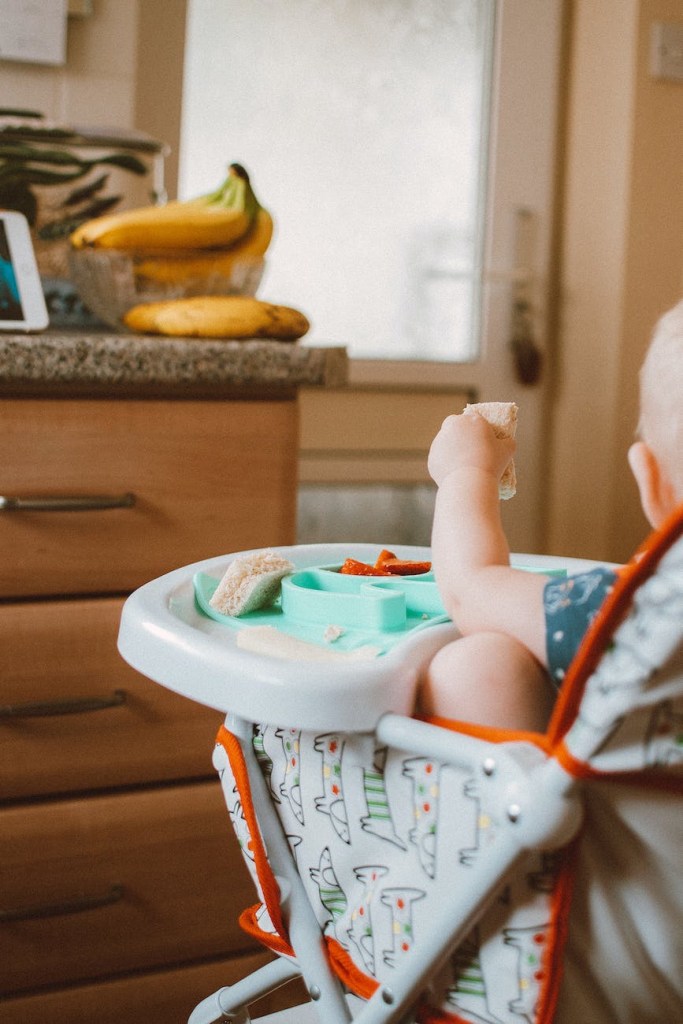
Baby-Led Weaning is an approach where babies are encouraged to self-feed whole, age-appropriate foods. Instead of spoon-feeding, babies are given control over their food, allowing them to explore its texture, taste, and smell independently.
Advantages of Baby-Led Weaning
BLW offers unique benefits:
- Self-Regulation: BLW encourages self-regulation of food intake, potentially reducing overeating.
- Fine Motor Skill Development: Babies can develop fine motor skills and hand-eye coordination through self-feeding.
Disadvantages of Baby-Led Weaning
However, BLW also presents challenges:
- Choking Hazards: Parents must be vigilant to prevent choking hazards.
- Mess and Food Wastage: BLW can be messy, and not all food may end up in your baby’s tummy.
Section 3: Key Factors to Consider
Baby’s Developmental Readiness
The choice between purées and BLW should consider your baby’s developmental readiness. Look for signs such as good head control, ability to sit up with support, and showing an interest in food.
Safety First
Regardless of your chosen method, safety is paramount. Ensure that foods are prepared and offered safely. Stay informed about choking hazards and always supervise mealtime.
Section 4: Conclusion
In conclusion, the choice between purées and baby-led weaning is not one-size-fits-all. It depends on your baby’s readiness, your comfort level as a parent, and your individual circumstances. Both approaches can be safe and nutritious ways to introduce solids, and some parents even choose to combine elements of both methods. Ultimately, the best approach is one that aligns with your family’s values and your baby’s unique needs.
As you embark on this exciting culinary journey with your little one, remember to savor these moments, embrace the mess, and cherish the joy of watching your baby explore the world of food.

 Health, Wellness & Motherhood